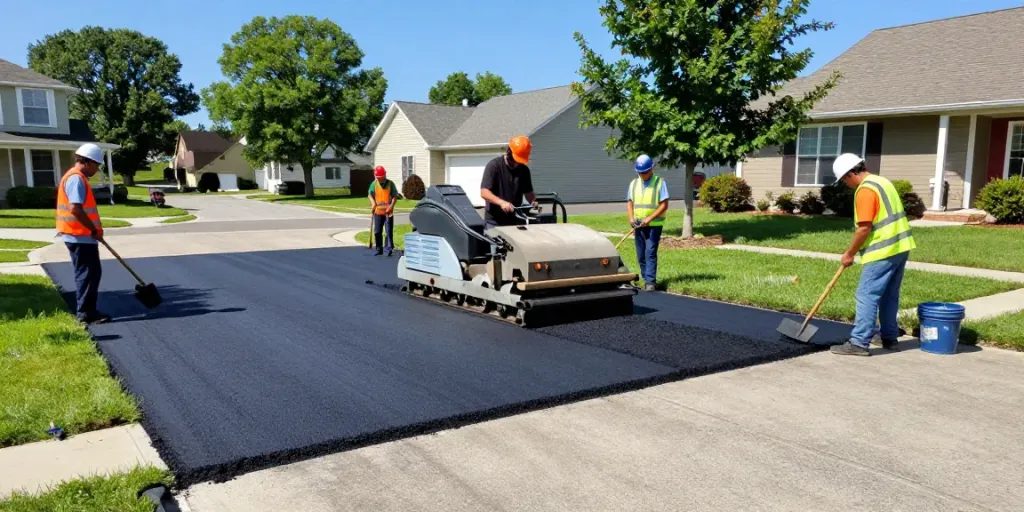
Understanding the Basics of Asphalt Paving
Asphalt paving is an essential aspect of modern infrastructure, providing durable surfaces for roads, driveways, and parking lots. The technology surrounding asphalt has evolved significantly, making it a preferred choice for many residential and commercial applications. When exploring options, jakpaving.com stands out for offering comprehensive insights into asphalt paving services.
What is Asphalt Paving?
Asphalt paving involves the application of a mixture of asphalt, aggregates, and filler to create a strong, weather-resistant surface. The process is widely used due to its cost-effectiveness and efficiency. Asphalt, derived from crude oil, is combined with materials like sand and gravel to form the asphalt concrete used in paving.
The Benefits of Asphalt for Driveways
Choosing asphalt for your driveway comes with numerous advantages:
- Durability: Asphalt driveways can last 15-20 years with proper maintenance.
- Cost-Effectiveness: Compared to concrete, asphalt is usually less expensive to install and repair.
- Quick Installation: Asphalt paving can be done rapidly, allowing for faster use of the surface.
- Weather Resistance: Asphalt surfaces can withstand various weather conditions, making them ideal for climates with temperature fluctuations.
Common Misconceptions About Asphalt Paving
Many myths surround asphalt paving, including the belief that it is prone to cracking. While it's true that environmental factors can affect asphalt, regular maintenance significantly reduces the occurrence of cracks and extends the life of the surface. Another misconception is that asphalt is only black; however, there are various colors and surface treatments available to enhance aesthetics.
Planning Your Paving Project
Effective planning is crucial to the success of any paving project. By taking the time to assess your needs accurately and understanding the necessary steps, you can avoid common pitfalls and ensure a quality installation. It’s important to consider factors such as the location, intended use, and budget when planning your project.
Assessing Your Driveway's Needs and Specifications
Before proceeding with your paving project, assess the specific needs of your driveway. Consider the following:
- Traffic volume: Higher traffic areas require thicker asphalt layers.
- Drainage requirements: Ensure proper drainage to prevent water pooling.
- Soil stability: Identify any necessary excavations or reinforcements for unstable soil conditions.
Choosing the Right Materials and Equipment
Selecting high-quality materials is vital for durability. Ensure that the asphalt mix is appropriate for your climate and traffic needs. Additionally, utilizing the right equipment will enhance the efficiency and quality of the paving process. Depending on the size of the project, you may require machinery like pavers, rollers, and compactors.
Permits and Regulations: What You Need to Know
Before commencing your paving project, check local regulations regarding permits. Many municipalities require permits for paving work, especially if it involves public roads or changes to drainage systems. Failing to secure the appropriate permits can result in fines or the requirement to redo work.
Expert Techniques for Quality Paving
Applying asphalt correctly is an art that requires expertise and attention to detail. Understanding and implementing proper techniques can make a significant difference in the lifespan and appearance of your paving project.
Prepping Your Site: Best Practices
Proper site preparation is critical. Begin by clearing the area of debris, vegetation, and any old paving material. Next, ensure the ground is compacted to provide a solid foundation. This may involve grading the surface to achieve optimal drainage and stability.
Applying Asphalt: Step-by-Step Guide
The application process typically involves the following steps:
- Hot Mix Preparation: Prepare the hot asphalt mixture according to specifications.
- Spreading: Use a paving machine to spread the asphalt evenly across the prepared surface.
- Compaction: Compact the asphalt with a roller to eliminate air pockets and ensure a solid surface.
- Curing: Allow the surface to cool and cure properly before use.
Finishing Touches: Sealing and Maintenance
After installation, sealing the asphalt surface is essential for protecting it against wear and tear. Applying a sealant can prevent moisture infiltration and UV damage. Regular maintenance, including crack filling and resurfacing, will extend the life of your driveway.
Case Studies: Successful Paving Projects
Examining real-world examples can provide insight into the effectiveness of asphalt paving solutions. Here are three notable case studies that highlight successful projects.
Residential Projects That Stand the Test of Time
One notable project involved a residential driveway that faced heavy rainfall. By employing proper drainage solutions during installation, the driveway not only withstood erosion but also looked aesthetically pleasing years later. Homeowners reported high satisfaction with both the function and appearance.
Innovative Solutions for Challenging Sites
Another success story involved a challenging site with poor soil stability. The paving team utilized a thicker asphalt layer and incorporated geo-grids for added support. This innovative approach resulted in a durable surface that significantly outperformed expectations.
Testimonials from Satisfied Customers
Testimonials reveal the quality of service provided by paving companies. Many customers express satisfaction with the professionalism, efficiency, and end results of their projects. Positive feedback often highlights the careful planning and execution that went into their paving experiences.
Future Trends in the Paving Industry
The asphalt paving industry is continuously evolving, with several trends emerging that shape its future. Keeping an eye on these developments can help both contractors and consumers make informed choices.
Emerging Technologies in Asphalt Paving
Advancements in technology are leading to the introduction of new paving materials and methods. For instance, the incorporation of recycled materials into asphalt mixes is becoming increasingly common. This not only reduces waste but can also enhance the performance of the pavement.
Sustainable Practices for Eco-Friendly Paving
As more consumers prioritize sustainability, paving companies are adopting eco-friendly practices. Techniques such as using permeable asphalt can mitigate runoff and improve groundwater recharge, aligning paving projects with environmental goals.
What to Expect in 2026: Industry Predictions
By 2026, further advancements in materials science may lead to the development of even more durable and eco-friendly asphalt options. Additionally, the implementation of smart technologies, such as sensors embedded in pavements to monitor conditions, is likely to revolutionize maintenance practices.
What are the most common materials used in asphalt paving?
The most common materials include asphalt binder, gravel, sand, and recycled asphalt pavement (RAP). These components are mixed in specific ratios to achieve the desired properties for different paving applications.
How long does an asphalt driveway last?
With proper maintenance, an asphalt driveway can last anywhere from 15 to 30 years. Factors influencing longevity include climate, traffic levels, and maintenance practices.
What are the signs that my driveway needs repair?
Common signs indicating that your driveway may require repair include visible cracks, potholes, or pooling water. Regular inspections can help identify these issues early on.
Can I pave my driveway myself?
While it is possible to undertake asphalt paving as a DIY project, it is generally recommended to hire professionals due to the complexity and equipment required. A poorly executed job can result in costly repairs down the line.
What maintenance is required for asphalt driveways?
Maintenance for asphalt driveways typically includes regular cleaning, sealing every 2-3 years, and promptly addressing any cracks or potholes that appear. This preventative care will help extend the life of your driveway significantly.