The Importance of Safety Bollards in Urban Design
In the evolving landscape of urban development, safety remains a paramount concern for city planners, architects, and residents alike. Among the many solutions available to enhance safety in public spaces, safety bollards have emerged as a critical component. These sturdy vertical posts serve not only as visual deterrents to unauthorized vehicle access but also as protective barriers that can prevent accidents and injuries. From parking lots to pedestrian zones, the strategic installation of safety bollards can significantly enhance the overall security and functional aesthetics of urban environments.
What Are Safety Bollards?
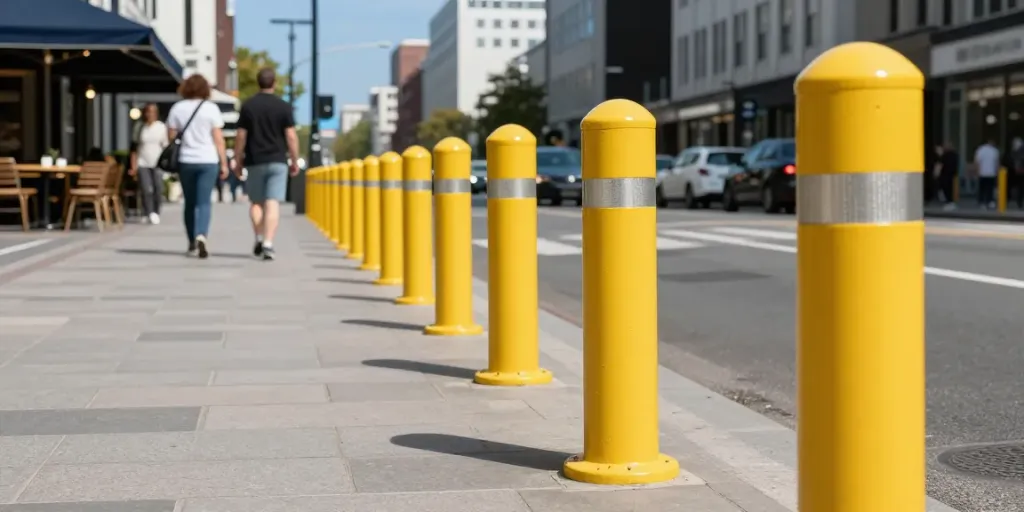
Safety bollards are robust vertical posts designed to withstand impact while delineating boundaries between vehicular and pedestrian spaces. Typically made from materials such as steel, concrete, or plastic, these structures provide a physical barrier that helps prevent vehicles from driving into restricted areas where pedestrians may gather. Their design may vary significantly, from fixed to removable options, depending on the intended application. Moreover, safety bollards often serve dual purposes, contributing to the visual appeal of an area while maintaining essential safety standards.
Key Functions of Safety Bollards
Safety bollards perform several essential functions beyond merely serving as physical barriers. Their key roles include:
- Traffic Control: Bollards effectively manage vehicle flow, guiding drivers and ensuring pedestrian safety in crowded urban spaces.
- Physical Protection: They shield pedestrians from potential vehicle incursions, reducing the risk of accidents and injuries.
- Defining Spaces: Bollards help delineate zones within public areas, creating clear boundaries for parking, walking, and recreational activities.
- Visual Aesthetics: Available in various designs and finishes, safety bollards can complement the architectural style of their surroundings.
Safety Bollards vs. Other Barriers
While safety bollards are a popular choice for urban safety, it's important to distinguish them from other types of barriers. Unlike concrete walls or metal fences, bollards offer flexibility in design and placement. They can be installed individually or in clusters, allowing for adaptable solutions in various urban contexts. Additionally, their relative ease of installation often makes them a more cost-effective and visually appealing option compared to more permanent barriers.
Materials and Design Innovations in Safety Bollards
The material choice for safety bollards greatly influences their performance, durability, and maintenance needs. Over the years, advancements in materials have allowed for innovations in both function and design. Common options include:
Common Materials Used for Safety Bollards
- Steel: Known for its strength, steel bollards can withstand significant impacts and are often used in high-traffic areas.
- Concrete: While extremely durable, concrete bollards can be heavy, making them less suitable for locations requiring flexibility.
- Plastic: Lightweight and often brightly colored, plastic bollards are suitable for temporary setups and low-impact areas.
- Composite Materials: Combining the advantages of different materials, composite bollards provide enhanced durability and aesthetic options.
Design Trends for 2026
Looking forward, the design of safety bollards is evolving to meet modern urban needs. Trends expected to shape the industry include:
- Smart Technology: Integrating sensors and lighting for enhanced visibility and functionality.
- Customizable Options: Providing options for branding or artistic expressions to suit community identity.
- Eco-Friendly Materials: Using sustainable materials and manufacturing processes to minimize environmental impact.
Customizing Safety Bollards for Specific Needs
Customization is key when it comes to safety bollards. Various stakeholders, including city planners and architects, often require specific features to meet unique needs. Options for customization include:
- Height and Width Variations: Adjusting size based on the intended use and surrounding environment.
- Color and Finish: Selecting colors that align with municipal branding or community aesthetics.
- Functional Additions: Adding features such as reflectivity for increased visibility at night.
Installation Considerations for Safety Bollards
The effectiveness of safety bollards is highly reliant on proper installation. Factors such as placement, regulations, and maintenance play crucial roles in maximizing their impact.
Best Practices for Placing Safety Bollards
When installing safety bollards, consider the following best practices:
- Strategic Placement: Position bollards where the risk of vehicle incursions is highest.
- Clear Visibility: Ensure that bollards are visible to both drivers and pedestrians to prevent accidents.
- Spacing Guidelines: Adhere to recommended spacing to prevent gaps that vehicles may exploit.
Regulations and Compliance Standards
Safety bollards must comply with local regulations regarding public safety and urban design. Compliance ensures that bollards serve their protective functions effectively without infringing on local guidelines.
Maintenance Tips for Longevity of Bollards
Regular maintenance is essential for preserving the integrity of safety bollards. Here are some tips:
- Routine Inspections: Check for damage or wear and replace any compromised bollards promptly.
- Surface Treatments: Apply protective coatings to metal bollards to prevent rust and corrosion.
- Cleaning: Regular cleaning to remove debris or stains to maintain aesthetics and visibility.
Case Studies: Safety Bollards in Action
Real-world applications further underscore the importance of safety bollards in urban areas. Several municipalities have adopted bollard systems to enhance safety effectively.
Successful Implementations in Urban Areas
Case studies from cities worldwide reveal the transformative effect of safety bollards:
- City A: Implemented custom designed bollards to define pedestrian zones in a busy shopping district, resulting in a 25% reduction in pedestrian accidents.
- City B: Installed intelligent bollards with integrated lighting and sensors, providing real-time traffic data while enhancing safety in a residential area.
Impact on Traffic Flow and Safety
The installation of safety bollards has tangible effects on traffic flow and overall public safety. Improved pedestrian safety encourages walking, leading to healthier and more vibrant urban environments.
Community Feedback and Adaptations
Community engagement is vital. Gathering feedback on bollard placements and designs ensures they meet the needs and expectations of residents. Adaptations based on this feedback can lead to improved designs and placements in future projects.
Future Trends in Safety Bollards and Urban Safety
The future of urban design is closely tied to innovations in safety measures, including bollards. As technology evolves, so do the types and functionalities of safety bollards.
Emerging Technologies in Bollard Design
Advancements in technology are leading to the development of smart bollards that can communicate with users and other urban infrastructure. These bollards could provide alerts about traffic and pedestrian patterns while enhancing security.
Predicted Changes in Urban Planning Strategies
As urban areas continue to grow, a shift towards more pedestrian-friendly environments is anticipated. The integration of safety bollards will be pivotal in this transition, ensuring that pedestrian safety remains a priority.
The Role of Safety Bollards in Smart Cities
In the context of smart cities, safety bollards may serve as essential nodes in a network of urban safety and traffic management systems. Equipped with sensors and connectivity, they will play a crucial role in shaping the urban future.
What can I use instead of bollards?
While safety bollards are effective, alternative solutions include planters, low walls, and fencing, each with distinct advantages and limitations. The choice will largely depend on the specific needs of the area in question.
What is a safety bollard?
A safety bollard is a sturdy, vertical post designed to withstand impact and create a physical barrier between potential hazards and vulnerable areas, protecting pedestrians and property.
Can a bollard stop a truck?
While standard bollards may deter cars and smaller vehicles effectively, only crash-rated bollards are designed to withstand impacts from larger vehicles like trucks.
What is the average cost to install a bollard?
The cost of installing a safety bollard can vary widely based on factors such as material, design, and location; however, it typically ranges from a few hundred to over a thousand dollars per bollard.
What are the benefits of using safety bollards?
Benefits of safety bollards include improved pedestrian safety, enhanced traffic control, clear delineation of spaces, and a reduction in unauthorized vehicle access, all contributing to safer urban environments.