Understanding Measured Building Surveys
In the ever-evolving landscape of architectural design and construction, a solid foundation of reliable data is paramount. Measured building surveys stand at the forefront of this necessity, offering precise and accurate documentation of existing structures. These surveys are not just a formality; they are essential tools for architects, engineers, and property developers to ensure that their projects are built on a solid and factual basis. When exploring options, Measured Building Survey Surrey provides comprehensive insights that are crucial for informed decision-making and successful project execution.
What is a Measured Building Survey?
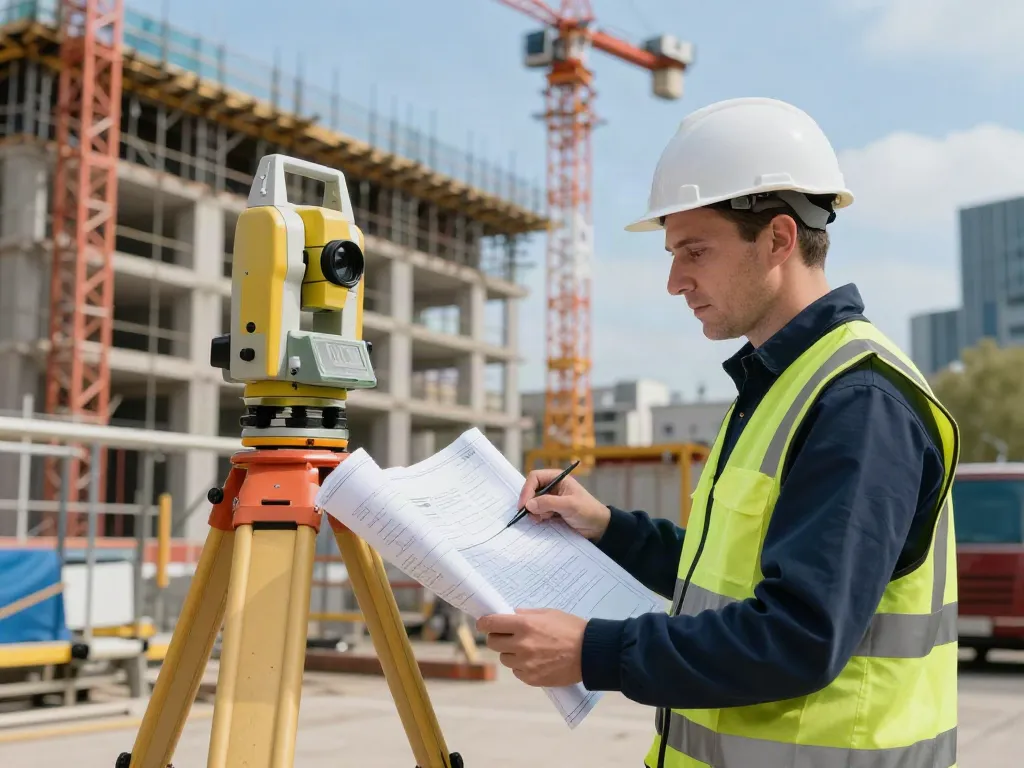
A measured building survey is a detailed and systematic process that collects accurate data regarding the dimensions, layout, and features of a building. This process typically employs advanced surveying techniques, including total stations and laser scans, to generate precise drawings and models of the structure. The survey encompasses various aspects such as floor plans, elevation drawings, and sections, offering a comprehensive overview of the building’s spatial configuration.
The Importance of Measured Building Surveys in Construction
Measured building surveys play a critical role in construction and renovation projects. They help architects and engineers understand the existing conditions of a building, which is vital for planning renovations, extensions, or new constructions. By providing a clear picture of the structure, these surveys assist in identifying potential challenges early in the design process, ultimately leading to successful project outcomes.
Key Components of a Measured Building Survey
- Accurate Measurements: The foundation of any effective survey lies in its measurements. Advanced equipment like total stations and laser scanners ensure high precision in capturing dimensions.
- Comprehensive Data: The surveys typically produce a variety of outputs, including 2D drawings and 3D models, allowing for flexible applications in design and planning.
- Assessment of Features: Including not just the structural elements but also any unique architectural details, such as mouldings, windows, and doors.
Choosing the Right Measured Building Surveyor in Surrey
Selecting a qualified surveyor for your project is crucial. The expertise and technology they employ can significantly affect the quality of the outcomes. It’s essential to look for surveyors who have a proven track record in the industry and can demonstrate experience with projects similar to yours. A wise decision may involve consulting various measured building surveyor firms in Surrey for initial feedback and quotes.
Criteria for Selecting a Professional Surveyor
- Experience and Qualifications: Ensure the surveyor has the necessary credentials and experience in carrying out measured building surveys.
- Technology Utilization: Look for companies that use advanced surveying technologies to ensure accuracy and efficiency.
- Client Reviews: Examine feedback from previous clients to gauge reliability and quality of service.
Top Measured Building Surveyors in Surrey
Surrey is home to numerous professional surveyors who specialize in measured building surveys. Companies such as Geospatial Surveys, Vertex Surveys, and CadMap are notable contenders, each offering unique services to cater to various surveying needs.
Comparative Analysis of Surveying Firms
When comparing surveying firms, consider factors such as the range of services offered, pricing structures, technological capabilities, and turnaround times. A thorough analysis can help you select a firm that best aligns with your project requirements and budget constraints.
Innovative Technologies in Measured Building Surveys
The landscape of surveying is rapidly advancing, enabled by cutting-edge technologies. This evolution brings new standards of accuracy, efficiency, and comprehensiveness to the surveying process.
Laser Scanning and Total Stations
Modern surveying heavily relies on laser scanning technologies and total stations, which facilitate the quick and accurate collection of data. Laser scanners capture millions of data points in a fraction of the time it would take traditional methods, generating detailed 3D models that serve a variety of applications.
3D Modelling and Software Integration
Alongside advanced data collection methods, software integration plays a pivotal role in modern measured building surveys. Programs such as AutoCAD and Revit allow surveyors to create intricate designs and assess structural integrity with ease. These tools help integrate the survey data into architectural planning workflows seamlessly.
Benefits of Using Modern Surveying Equipment
- Increased Precision: Modern equipment minimizes human error and improves the overall accuracy of measurements.
- Time Efficiency: Advanced tools significantly reduce the time required to conduct surveys, expediting the project timeline.
- Enhanced Data Visualization: High-quality 3D models provide a clearer understanding of the structure, facilitating better planning and communication among stakeholders.
Common Challenges in Measured Building Surveys
Despite the advancements in technology and techniques, several challenges persist in the realm of measured building surveys. Awareness and proactive handling of these challenges can help mitigate risks and contribute to the success of projects.
Addressing Urban Complexity in Surveys
Urban environments often present unique challenges, such as densely packed structures and complex layouts that can complicate the surveying process. Experienced surveyors are adept at navigating these challenges, employing creative solutions to ensure comprehensive data collection.
Dealing with Client Expectations
Communication is paramount in managing client expectations effectively. Clear discussions regarding the scope of work, timelines, and deliverables can prevent misunderstandings and enhance satisfaction with the final results.
Mitigating Data Collection Errors
Data collection errors can arise from various factors, including equipment calibration issues and human mistakes. Regular equipment maintenance and fostering a culture of diligence within survey teams can reduce these risks, ensuring the integrity of the data collected.
The Future of Measured Building Surveys: Trends for 2026 and Beyond
As we advance towards 2026, the measuring and surveying landscape continues to evolve, driven by technological advancements and emerging market demands. Staying ahead of these trends is essential for surveyors and clients alike.
Emerging Technologies and Techniques
The future of surveying is likely to see a further integration of AI and machine learning, enabling data analysis that can predict issues before they arise. Drone technology is also set to play a more prominent role in surveying inaccessible areas or complex sites.
Sustainability Practices in Surveying
With increasing awareness around environmental sustainability, surveyors are expected to adopt practices that reduce their carbon footprint. This could involve using electric vehicles for site visits or opting for materials that have a lower environmental impact.
Projecting Market Trends and Demand in Surrey
The demand for measured building surveys in Surrey is poised to rise, primarily driven by ongoing construction projects and continuously evolving architectural needs. As urban development persists, the importance of accurate and reliable surveying cannot be overstated.